
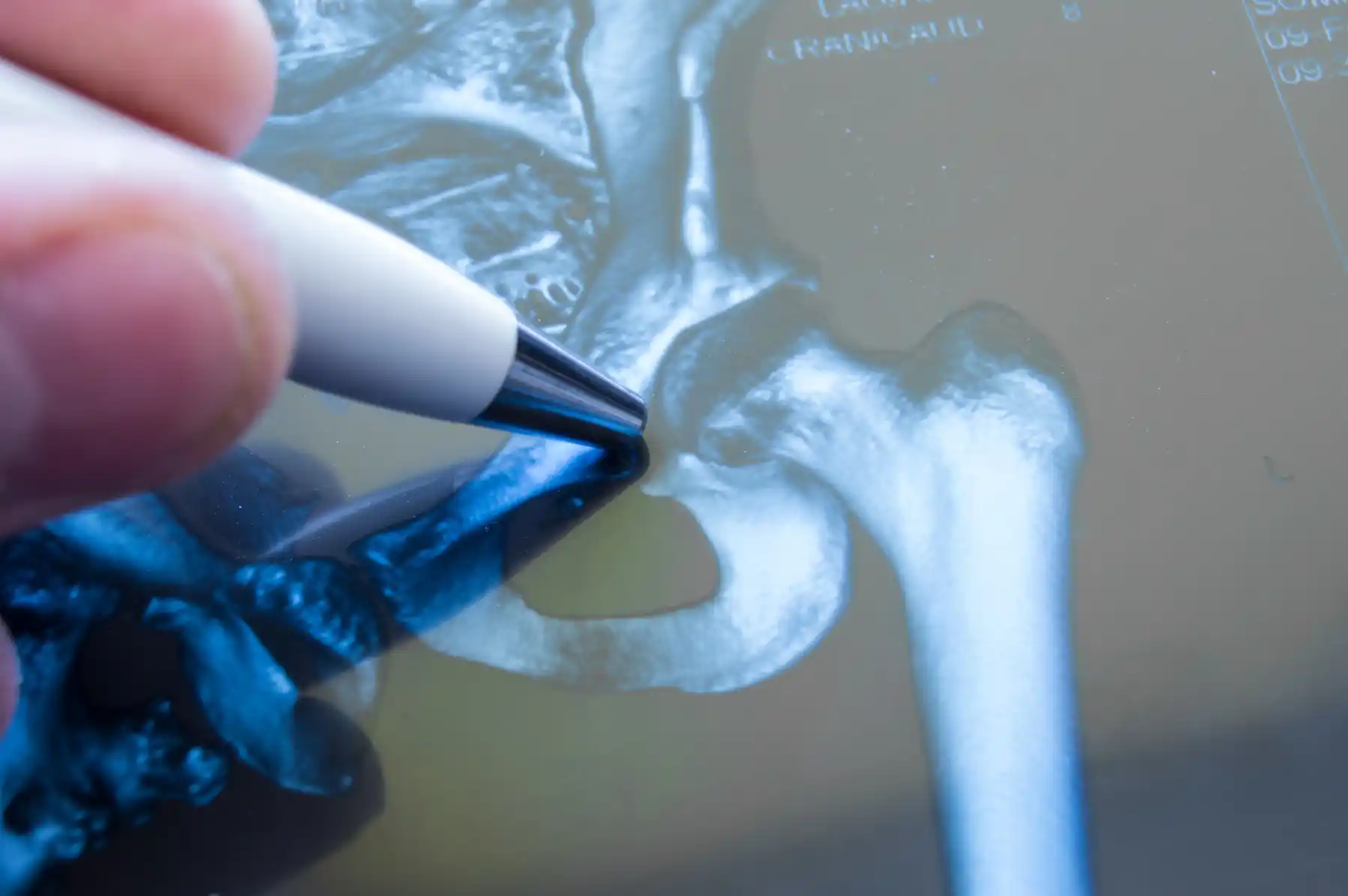
Hip Flexor Strain

Hip flexor strain can cause significant pain and limit your mobility, making everyday activities challenging. Our experienced orthopedic specialists and physical therapists provide comprehensive treatment to help you recover fully and return to your active lifestyle.

Talk to Our Team

Our experienced specialists offer comprehensive treatment options to get you back to full activity. Contact us today.
(947) 243-2604
Hip Flexor Strain

Understanding Hip Flexor Strain

A hip flexor strain occurs when one or more of the muscles that help you lift your knee toward your chest become overstretched or torn. These muscles, located at the front of your hip and thigh, are essential for walking, running, climbing stairs, and many athletic activities. Hip flexor strains are particularly common among athletes and active individuals, but can affect anyone who suddenly increases their activity level or experiences a direct impact to the area.

The severity of hip flexor strains ranges from mild stretching (Grade 1) to partial tears (Grade 2) to complete muscle ruptures (Grade 3). While most strains heal well with proper treatment, ignoring symptoms can lead to chronic pain and recurring injury. At Synergy Health Partners, our experienced orthopedic specialists and physical therapists work together to provide comprehensive care that addresses both your immediate pain and long-term recovery goals.

Early intervention is key to preventing complications and ensuring you return to your normal activities as quickly and safely as possible. Our team understands how hip flexor injuries can impact your daily life and athletic performance, which is why we offer personalized treatment plans tailored to your specific needs and activity level.


Common Symptoms

Hip flexor strain symptoms typically develop suddenly during activity or may appear gradually with repetitive movements. The severity and location of symptoms often indicate the extent of the injury.

  • Sharp pain at the front of the hip or upper thigh, especially when lifting your knee
  • Muscle spasms or cramping in the hip flexor area
  • Difficulty walking or limping, particularly when climbing stairs
  • Tenderness to touch along the front of the hip and thigh
  • Swelling or bruising in the affected area (more common with severe strains)
  • Weakness when trying to lift your knee toward your chest
  • Stiffness in the hip, especially after periods of rest

Causes & Risk Factors

Hip flexor strains most commonly occur when these muscles are stretched beyond their normal range of motion or when they contract forcefully while already lengthened. Acute injuries often happen during explosive movements like sprinting, jumping, or kicking, while overuse injuries develop gradually from repetitive activities.

High-risk activities include: Soccer, football, hockey, martial arts, dancing, cycling, and running. Risk factors that increase your likelihood of injury include tight hip flexors, weak core muscles, previous hip or groin injuries, inadequate warm-up before activity, sudden increases in training intensity, muscle imbalances between hip flexors and opposing muscle groups, and age-related muscle changes. Athletes who participate in sports requiring sudden direction changes or high knee lifts are particularly susceptible to these injuries.

Diagnosis

At Synergy Health Partners, our orthopedic specialists use a comprehensive approach to diagnose hip flexor strains accurately. Your evaluation begins with a detailed discussion of your symptoms, activity level, and how the injury occurred.

During the physical examination, we’ll assess your range of motion, muscle strength, and perform specific tests to isolate the hip flexor muscles. We may ask you to lift your knee against resistance or perform a straight leg raise to evaluate the extent of the injury. Imaging studies like MRI or ultrasound may be recommended for severe injuries or when symptoms don’t improve as expected, helping us rule out other conditions and assess the degree of muscle damage. This thorough evaluation allows us to develop the most effective treatment plan for your specific situation.

When to See a Doctor

While mild hip flexor strains may improve with rest and self-care, certain symptoms warrant immediate medical attention. You should contact our team if you experience severe pain that prevents weight-bearing or walking, significant swelling or bruising that develops rapidly, complete inability to lift your leg or knee, or numbness or tingling in the hip or thigh area.

Additionally, seek medical care if your symptoms don’t improve after 3-5 days of rest and conservative treatment, if pain worsens despite initial improvement, or if you experience recurring hip flexor problems. Early professional treatment can prevent chronic issues and help you return to activity faster and more safely. Our specialists can also provide guidance on proper rehabilitation exercises and injury prevention strategies.

Why Synergy Health for Hip Flexor Strain?

Our integrated team approach ensures you receive comprehensive care from diagnosis through full recovery, all under one roof.
  • Board-certified orthopedic specialists experienced in sports medicine and muscle injuries
  • Advanced physical therapy programs designed specifically for hip flexor rehabilitation
  • Same-day appointments available for acute injuries
  • Comprehensive imaging services including MRI and ultrasound for accurate diagnosis

Treatment Options

Star icon

Our specialists offer evidence-based treatment options ranging from targeted physical therapy and regenerative medicine to advanced surgical techniques when needed, all personalized to get you back to your active lifestyle.

YOUR FASTEST PATH BACK TO ACTIVITY

Why Choose Synergy?

Our coordinated care model connects orthopedic specialists, physical therapists, and sports medicine experts to optimize your hip flexor strain recovery.
0 %

of patients return to full activity

(6-8 weeks)

0 %

avoid re-injury with proper rehab

(1 Year)

0 %

significant pain reduction

(2 weeks)

Data Source: CODE Technology PRO Surveys (2025).